Lawn Scalping in Killeen TX — When, Why, and How to Do It Right
Every spring, one lawn care task separates Bermudagrass lawns that turn green fast from ones that limp along gray for weeks: scalping. If you’ve lived in Killeen long enough, you’ve probably seen a neighbor drop their mower to the lowest setting around late February and wondered whether they were making a mistake or doing something smart. They were doing something smart.
Lawn scalping isn’t accidental mowing too short. Done at the right time, it’s one of the highest-impact maintenance tasks you can do for a Bermudagrass lawn in Central Texas.
What Is Lawn Scalping?
Scalping is mowing your lawn significantly lower than your normal cutting height—typically to about ½ to 1 inch—during the brief window in late winter when Bermudagrass is dormant but spring is close. The goal is to remove the thick layer of brown, dead growth that accumulated over winter before the lawn breaks dormancy.
Normal summer mowing for Bermudagrass in Killeen runs at 2 to 3 inches. Scalping brings that down to ½ to 1 inch for one pass. This is intentional and temporary.
Why Scalping Matters for Killeen TX Lawns
Bermudagrass goes fully dormant in Central Texas winters. By late February, your lawn is covered with a mat of dead gray grass blades sitting on top of soil that wants to warm up. That dead material acts as insulation—helpful during a freeze, but a problem once you’re ready for green growth.
Scalping removes that insulating layer. Once the dead thatch and old growth is gone, sunlight hits the soil directly. Soil temperatures rise faster. Bermudagrass rhizomes and stolons that have been waiting underground respond more quickly to warming temperatures and break dormancy sooner.
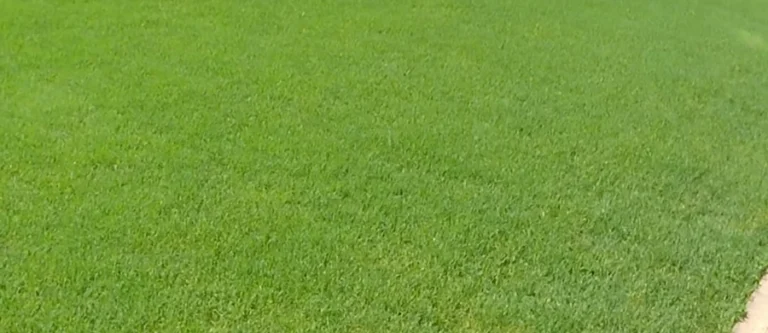
The practical result: a scalped Bermudagrass lawn in Killeen typically greens up one to three weeks earlier than an unscalped lawn—and greens up more evenly, without patchy gray spots persisting through April.
There’s a secondary benefit: by removing the dead layer, you’re also reducing thatch buildup that can block water and nutrients from reaching the root zone later in the season.
When to Scalp in Killeen TX
Timing is the most important part. Scalp too early and a late freeze can damage newly exposed growth. Scalp too late and you’ve missed the window when it makes the biggest difference.
The right time for Killeen TX is typically late February to mid-March.
More specifically: wait until the risk of a hard freeze (below 28°F) has mostly passed; look for daytime temperatures consistently in the 60s; your Bermudagrass should still be fully dormant with no green visible; and soil temperatures should be approaching 50–55°F at the 4-inch depth.
Killeen’s average last frost date is typically around February 15–20, though some years have late freezes into early March. The safest approach is to target the last week of February or first week of March. If a cold front is forecast, wait until it passes.
If your lawn is already showing green tips, you’ve missed the ideal scalping window. You can still scalp, but cut less aggressively—dropping 1 inch below your normal height rather than going all the way down to ½ inch.
How to Scalp a Bermudagrass Lawn
Step 1: Prepare Your Mower
Make sure your mower blades are sharp. Dull blades tear grass rather than cut it cleanly, and you’ll be cutting through a lot of dry, thick material. Lower your deck to the lowest setting that leaves at least ½ inch of grass above the soil—typically between ½ and 1 inch depending on your mower.
Step 2: Bag the Clippings
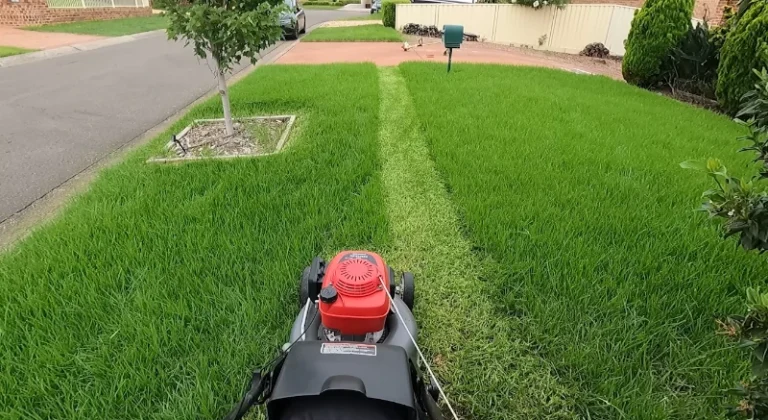
This is not a mulching job. Scalping generates a large volume of dead thatch you do not want left on the lawn. Bag everything or rake it into piles and remove it. Leaving thick clumps of dead material on the surface defeats the purpose.
Step 3: Mow Slowly
Go slower than your normal pace. The mower is working harder through thick dead growth, and a slower pass creates a cleaner cut and prevents clogging.
Step 4: Assess the Result
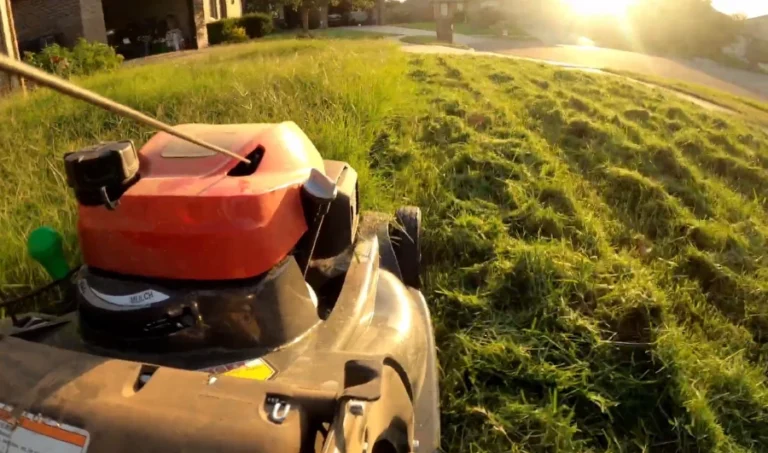
After scalping, your lawn will look rough. Bare soil may be visible in some spots. Some brown will remain on the stubble. This is normal. Within a week or two of warm temperatures, green growth will begin pushing through evenly across the entire surface.
What to Do After Scalping
Scalping opens a productive window for follow-up care.
Water: If rain is absent, give the lawn a deep watering in the days following. The exposed surface dries out faster than it would with dormant growth protecting it.
Core aeration: If you’ve been thinking about core aeration, this is an ideal time. Aerating into Blackland Prairie clay just as the lawn is breaking dormancy allows oxygen and nutrients to reach the root zone during the most active growth period of the year.
Fertilization: Don’t rush to fertilize immediately after scalping—wait until the lawn is fully green and actively growing, typically late April or May. When you do fertilize, a professional fertilization service can apply the right nitrogen timing for Killeen’s Bermudagrass season.
Pre-emergent herbicide: Spring is pre-emergent season. Summer weeds like crabgrass and dallisgrass germinate when soil temperatures hit 55–65°F—the same window when Bermudagrass is greening up. Applying pre-emergent right after scalping, when soil is exposed and temperatures are rising, is an effective approach. See the weed control guide for timing details.
Scalping vs Normal Mowing
Scalping is intentional and done once per year in late winter. It is not the same as accidentally mowing your lawn too short during the summer. Cutting actively growing Bermudagrass below 1 inch in July or August—especially during heat stress—causes genuine damage and removes more green tissue than the plant can recover from quickly. That’s accidental scalping, and it’s harmful.
Spring scalping of dormant grass is the opposite: you’re removing dead material, not damaging living tissue. See the Bermudagrass mowing guide for normal seasonal mowing heights throughout the growing season.
Does St. Augustine Grass Need Scalping?
No. St. Augustine grass—which some Killeen homeowners have in shadier yards—does not benefit from spring scalping. Its growth structure is different, and scalping it aggressively can cause real damage. St. Augustine should be kept at 3–4 inches and never cut below 2 inches. Scalping is specifically a Bermudagrass practice. If you’re unsure what grass type you have, the St. Augustine vs Bermudagrass comparison covers the key visual differences.
Getting Help with Scalping
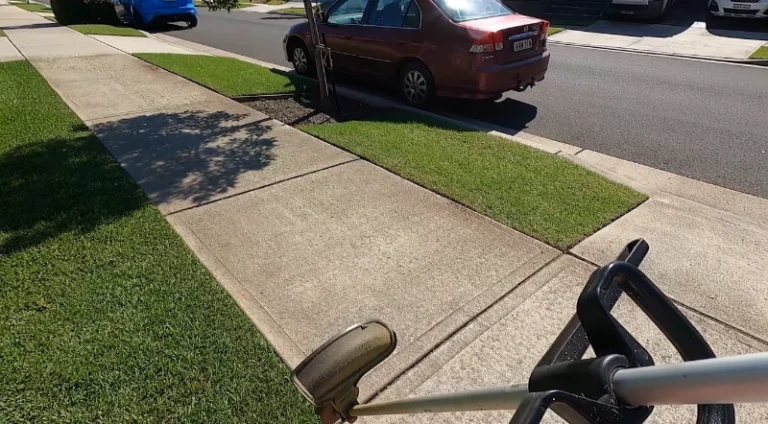
Scalping takes time, generates a lot of debris, and can be physically demanding on larger lots. If your mower isn’t set up for very low cutting, having it done professionally is often more practical than adjusting your regular mower repeatedly.
If you’re setting up regular mowing service for the season, spring is the time to get started. A recurring lawn service that begins in early spring can handle scalping as part of the first visit and take over regular maintenance from there.
For a complete month-by-month look at what your lawn needs throughout the year, the Killeen TX lawn care calendar covers every seasonal task including scalping timing, pre-emergent applications, and fertilization windows.
Frequently Asked Questions
How low should I scalp my Bermudagrass in Killeen TX?
Scalp to approximately ½ to 1 inch above the soil surface. This removes the dormant thatch layer without cutting into the crown of the grass. Most standard rotary mowers can reach this height with the deck at its lowest or second-lowest setting.
What happens if I scalp before the last frost?
A hard freeze after scalping can damage newly exposed crown tissue. The dead growth provides some cold protection. If a freeze is forecast within a few days, wait until the cold front passes before scalping.
My lawn looks terrible after scalping. Is this normal?
Yes, completely normal. A freshly scalped Bermudagrass lawn looks brown, patchy, and bare for one to two weeks. As soil temperatures rise and the grass breaks dormancy, green growth appears rapidly and fills in evenly. The result will be noticeably better than if you hadn’t scalped.
Does scalping remove thatch permanently?
No. Scalping removes the surface layer of dormant debris, but thatch accumulates over multiple seasons. Core aeration is the more effective long-term solution for thatch management.
Can I scalp a lawn that is partly brown and partly green?
If the lawn is showing significant green growth, skip scalping this year or cut only an inch lower than normal. Scalping actively growing grass removes live tissue and sets the lawn back rather than forward.