
Weed Control Service Killeen TX — Dallisgrass, Nutsedge & Crabgrass
Weed Control Service in Killeen, TX
★ Pre- & Post-Emergent Weed Control | Dallisgrass · Nutsedge · Crabgrass | Killeen TX
Killeen’s Blackland Prairie clay soil and Central Texas climate create perfect conditions for the region’s most aggressive weeds. Mowing won’t control dallisgrass, nutsedge, or crabgrass — targeted weed control service in Killeen TX is required. Our treatments are timed to Central Texas soil temperatures and are safe for kids and pets after the required dry time.
Killeen TX’s Most Common Lawn Weeds
Dallisgrass (Paspalum dilatatum)
The most problematic weed in Killeen TX lawns. Dallisgrass is a coarse, clumping grass that grows faster than Bermuda and is visually distinct — creating an ugly patchy appearance. It spreads by seed and cannot be controlled by mowing. It requires post-emergent herbicide specifically labeled for dallisgrass. Multiple applications may be needed.
Nutsedge (Yellow/Purple)
Nutsedge (also called “nutgrass”) grows faster than Bermuda in summer and appears as bright yellow-green clumps that stick up above the lawn surface after mowing. It reproduces through underground tubers (nutlets) — pulling it out makes it worse. Specific sedge herbicides are required.
Crabgrass (Digitaria)
Annual weed that germinates in spring when soil temperatures hit 55–60°F — which in Killeen typically means March/April. Pre-emergent herbicide applied in February/March is the primary control method.
Dallisgrass vs. Crabgrass in Killeen TX
Homeowners often confuse these two. Dallisgrass is perennial (comes back every year from the same root), has a distinctive star-shaped seed head, and requires post-emergent treatment. Crabgrass is annual (dies in winter, reseeds), lighter green, and is controlled by pre-emergent applications.
Dollar Weed and Spurge
Common in Killeen’s irrigated yards and areas near downspouts. These broad-leaf weeds are generally easier to control with standard herbicides.
Our Weed Control Service in Killeen TX — How It Works
Pre-Emergent Applications
Applied before weed seeds germinate. In Killeen TX, pre-emergent for crabgrass should be applied in late February to early March when soil temperatures at 2-inch depth reach 55°F. A second application in May or June extends coverage. Pre-emergent does not affect existing weeds.
Post-Emergent Applications
Applied to existing, actively-growing weeds. The timing and product selection depends on grass type (Bermuda vs. St. Augustine) and weed species. Some weeds (like dallisgrass) require selective herbicides that work without harming Bermudagrass. We target the specific weed, not a blanket spray.
Application Timing
- Never applied when temperatures exceed 90°F (product stress on grass)
- Never applied within 24 hours of rain
- Safe for kids and pets once completely dry (typically 2–4 hours)
- We notify you before and after each treatment
Weed Control Service Killeen TX — Treatment Schedule
| Month | Treatment |
|---|---|
| Feb–March | Pre-emergent crabgrass application |
| April–May | Second pre-emergent if needed; spot-treat any early emerging weeds |
| June–August | Post-emergent for dallisgrass, nutsedge, and summer annuals |
| September–October | Late season post-emergent cleanup before dormancy |
| November–January | Assessment only; dormant season |
Weed treatment works best alongside a consistent mowing schedule — part of a complete lawn service in Killeen TX.
Further reading: Complete Guide to Weed Control in Killeen TX · Dallisgrass vs Crabgrass ID Guide · Nutsedge Control in Killeen TX.
Weed Control Service Killeen TX — FAQ
Can mowing control weeds in Killeen TX?
Is your weed control safe for kids and pets in Killeen TX?
How long before I see results from weed control?
Do you offer weed control without the mowing service?
What causes so many weeds in Killeen TX lawns?
Is there weed control service near me in Killeen, TX?
Ready to Clear Killeen’s Toughest Weeds?
✆ (254) 489-4779 | hello@killeenlawnservicecompany.com
Explore more: Home · Lawn Mowing Service · Blade Edging Service · Lawn Cleanup Service · Recurring Lawn Service
Killeen Lawn Service — Weed Control Service Killeen TX
Serving Killeen TX · Harker Heights · Nolanville · Copperas Cove · Bell County
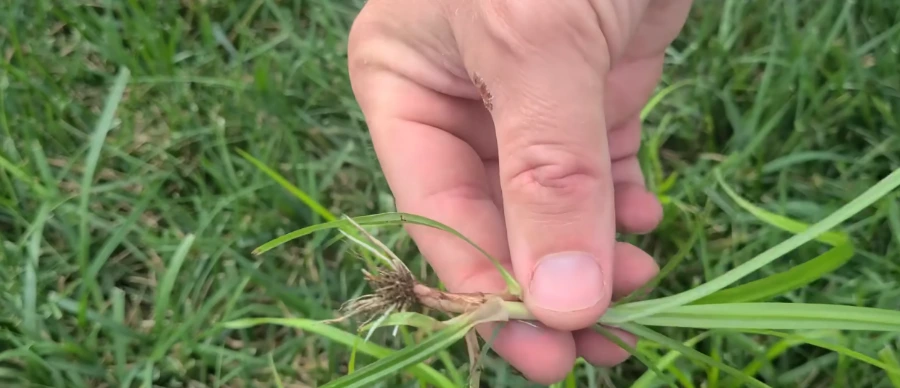
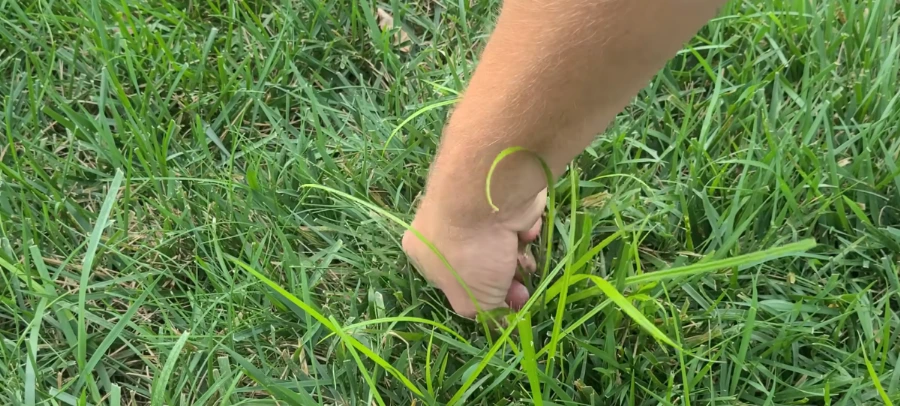
Weed Control Service Killeen TX: What We See in Local Lawns
Identification comes before treatment. These are the weeds behind most Killeen calls, and each one needs a different approach.
Why Mowing and Pulling Do Not Fix Weeds
Most homeowners try mowing lower or pulling by hand first. Here is why those rarely work on Killeen’s toughest weeds.
Nutsedge regrows from tubers
Nutsedge spreads through small underground tubers. Pulling the top usually leaves them behind, and each one can send up new shoots.
Dallisgrass comes back from its crown
Dallisgrass is a perennial. Mowing cuts the leaves but leaves the crown alive, so the same clumps return every year.
Crabgrass reseeds
Crabgrass is an annual that drops seed before it dies. Without pre-emergent, next spring’s crop is already in the soil.
Mowing low makes it worse
Scalping thins the turf and lets more sunlight reach the soil, which is exactly what weed seeds need to sprout.
Lawn Problems That Look Like Weeds (But Are Not)
Not every odd patch is a weed. Treating the wrong problem wastes money, so we check first.
Brown patches
Often drought stress or insects such as chinch bugs. Weed control will not help; water or insect treatment will.
Light green patches
Can be a different grass type mixed into the lawn, or a nutrient problem, rather than a weed.
Thin, bare areas
Usually shade, compaction or scalping. Core aeration or a height change can address the cause.
Mounds and bare circles
Fire ants rather than weeds. They need a different, yard-wide treatment.
Weed Control Timing and Safety at Home
Good weed control is as much about timing and care as the product. This is what to expect:
- Pre-emergent before germination. Applied in late winter to early spring, before crabgrass and other annual weeds sprout.
- Post-emergent when weeds are growing. Treats weeds that are already up, timed to active growth.
- Product matched to your grass. Some products safe on Bermudagrass can damage St. Augustine, so we check which grass you have first.
- Keep kids and pets off until it dries. We tell you when the treated area is ready for use again.
- Weather matters. We avoid treating right before heavy rain or in extreme heat, when products work poorly or stress the lawn.
Signs Your Lawn Needs Weed Control, Not Just Mowing
If any of these sound familiar, mowing alone will not solve it:
- Clumps that look ragged a day after mowing. Classic dallisgrass. It outgrows Bermudagrass between cuts.
- Bright green, shiny blades in wet spots. Usually nutsedge, which spreads underground.
- Wide, flat grass spreading along sidewalks every summer. Crabgrass that came back from last year’s seed.
- Round, coin-shaped leaves in soggy areas. Dollarweed, a sign of overwatering or poor drainage.
- Weeds returning in the same spots every year. A perennial weed or a recurring soil problem that needs a plan, not a spot spray.
Weed Control After a Cleanup, Move-In or Long Gap
Yards that went weeks or months without mowing almost always have a weed problem underneath. Here is the order that works best.
Cut it back first
An overgrown lawn cleanup brings the height down so we can see what is actually growing.
Identify, then treat
Once the lawn is cut, we can tell grassy weeds from sedges and broadleaf weeds and choose the right treatment.
Get on a schedule
Regular mowing keeps the turf thick so new weeds struggle to establish. A recurring plan does most of the prevention for you.
Pre-emergent next spring
The weeds you see this summer dropped seed. Pre-emergent before next spring stops that crop before it starts.
Most yards need two seasons to get fully back on track: one to clear what is growing now and thicken the lawn, and a second to stop the seed bank with pre-emergent. Text a photo of the problem area to (254) 489-4779 and we will tell you which weeds you are dealing with, what treatment fits your grass, and what to expect before anything is applied.
The Best Weed Control Is a Thick Lawn
Treatment clears what is there. A dense, healthy lawn keeps weeds from coming back.
Mow at the right height
Texas A&M AgriLife recommends roughly 1 to 2 inches for common Bermudagrass home lawns and 2.5 to 3.5 inches for St. Augustine. Our intended regular-visit standard is 2–3 inches for Bermudagrass and 3.5–4 inches for St. Augustine. Correct height shades the soil and crowds out weed seedlings.
Water deeply, less often
Shallow daily watering favors weeds like nutsedge and dollarweed. Deep, early-morning watering favors grass roots.
Fix compaction
Compacted clay starves grass roots and lets weeds win. Annual aeration helps the lawn fill in.
Test the soil
A soil test through the Texas A&M AgriLife Extension Bell County office shows what the lawn needs so fertilization feeds the grass, not the weeds.
💰 Want to know what affects cost? See our lawn service pricing in Killeen TX.