Winter Ryegrass Overseeding in Killeen TX — How to Keep Your Lawn Green All Year
Bermudagrass is the dominant lawn grass across Killeen and Bell County for good reason: it handles Texas heat and recovers aggressively from stress. But from roughly November through late March, it goes completely dormant—turning brown and staying that way until soil temperatures warm in spring. For homeowners who want a green lawn year-round, winter ryegrass overseeding is the standard solution.
Overseeding plants annual ryegrass seed into dormant Bermudagrass in fall. The ryegrass germinates quickly in cool weather, provides green coverage through winter, then dies naturally as temperatures warm in spring and Bermudagrass comes back. Done correctly, it’s a reliable way to keep a Killeen yard green through the months when Bermudagrass goes offline.
What Is Winter Ryegrass Overseeding?
Overseeding means broadcasting grass seed over an existing lawn rather than establishing a new one. Winter overseeding specifically means adding cool-season grass—typically annual ryegrass—over dormant warm-season turf. The Bermudagrass doesn’t die; it goes dormant underground while the ryegrass grows above it.
Annual ryegrass (Lolium multiflorum) is the most common choice in Central Texas because it germinates fast (5–10 days in good conditions), establishes quickly in fall temperatures, and dies reliably in spring without competing with returning Bermudagrass. Perennial ryegrass (Lolium perenne) is finer-textured and more attractive but germinates more slowly and can compete with Bermudagrass during spring transition if temperatures fluctuate.
Is Overseeding Right for Your Killeen TX Lawn?
Ryegrass overseeding is a choice, not a requirement. Bermudagrass dormancy is natural and doesn’t harm the lawn. The question is whether year-round green coverage is worth the additional maintenance it requires.
Reasons homeowners choose to overseed in Killeen:
- HOA requirements that specify lawn appearance standards year-round
- Rental properties where curb appeal affects marketability between tenants
- Active outdoor use of the lawn through winter months
- Preference for green coverage rather than dormant brown
Reasons some Killeen homeowners skip it:
- Overseeding adds cost and requires more frequent winter mowing
- Ryegrass needs more irrigation in winter than dormant Bermudagrass
- Spring transition adds a maintenance step (scalping)
- Some Bermudagrass purists find that ryegrass competition slightly delays spring green-up
For rental properties and HOA neighborhoods, the case for overseeding is generally stronger. For homeowners who simply prefer not to look at brown grass, it’s worth the extra steps. For a lawn that’s primarily functional and not highly visible, skipping it is perfectly reasonable.
When to Overseed in Killeen TX
The ideal window for Killeen is mid-October through mid-November.
The timing depends on two conditions being met at the same time:
- Bermudagrass has slowed significantly or stopped growing (typically when nighttime temperatures consistently drop below 60°F)
- Daytime temperatures are still warm enough for ryegrass germination (above 50°F soil temperature)
In Killeen, this window typically opens in mid-to-late October and closes as November progresses. Overseeding too early (when Bermudagrass is still actively growing) means the Bermudagrass competes directly with establishing ryegrass. Overseeding too late (after hard frosts arrive) gives the ryegrass too little time to establish before cold slows germination.
October 15 to November 10 covers the reliable window for most Killeen TX years. Watch for nighttime lows in the upper 50s and Bermudagrass growth noticeably slowing as your cue.
How to Overseed Your Killeen TX Lawn
Step 1: Scalp the Bermudagrass
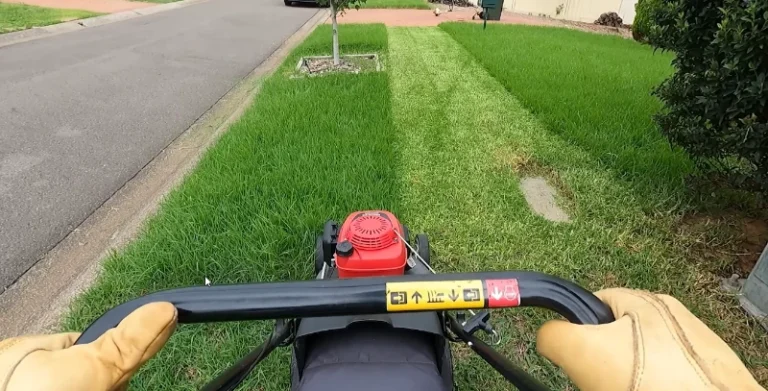
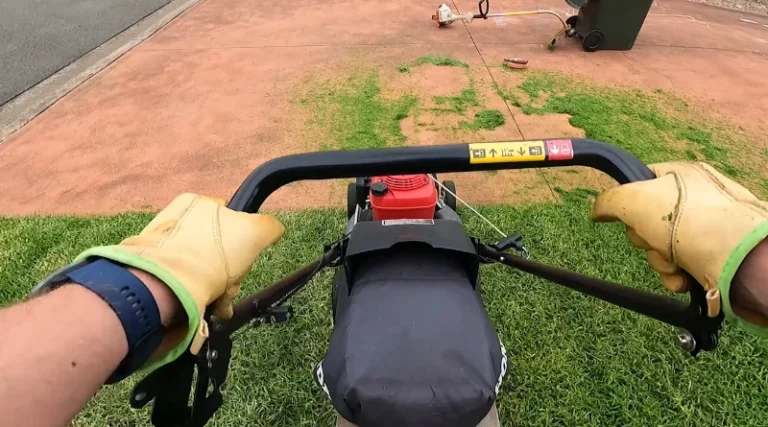
Before seeding, mow the existing Bermudagrass significantly lower than your normal summer height—typically to 1 inch or less. This removes as much of the existing thatch and dead material as possible, improving seed-to-soil contact and allowing sunlight to reach the surface where seeds will germinate. Bag the clippings; leaving thick thatch on the surface reduces germination rates.
This fall scalp is the same general concept as spring scalping for Bermudagrass green-up but serves a different purpose: clearing the seedbed rather than exposing dormant crowns to spring warmth.
Step 2: Improve the Seedbed
Ryegrass seed needs contact with soil, not thatch. On lawns with thick thatch—common in established Killeen Bermudagrass lawns growing in Blackland Prairie clay—mechanical aerating or vertical mowing (verticutting) before seeding creates channels for seed to reach the soil surface. If your lawn has been core-aerated recently (ideally late summer), the plugs left behind provide excellent seedbeds for ryegrass.
Light raking after scalping removes excess debris and creates a slightly roughened surface for better seed contact.
Step 3: Choose the Right Ryegrass Seed
For most Killeen homeowners, annual ryegrass is the practical choice. It’s less expensive than perennial ryegrass, germinates in 5–10 days, and exits in spring without overstaying its welcome. Look for turf-type annual ryegrass rather than pasture ryegrass; the turf-type variety has finer texture and a better appearance on residential lawns.
Perennial ryegrass is finer-textured and more attractive up close. If aesthetics are the primary driver—particularly for high-visibility areas of the yard—the higher cost and slightly more complex spring transition are worthwhile.
Step 4: Apply Seed at the Correct Rate
For annual ryegrass, apply 8–10 pounds of seed per 1,000 square feet. Perennial ryegrass needs 6–8 pounds per 1,000 square feet. Use a broadcast spreader for even coverage and apply in two passes at right angles to each other to prevent gaps.
Under-seeding produces a thin, patchy winter lawn. Over-seeding wastes seed and can create competition that delays spring Bermudagrass recovery. The label rates are calibrated to produce good coverage—follow them closely.
Step 5: Water Consistently Until Germination
Ryegrass seed must stay moist for the first 10–14 days after seeding. Water lightly two to three times per day during this window—enough to keep the surface moist without washing the seed away. Once seedlings are visible and reaching 1 inch in height, shift to deeper, less frequent watering.
This is the most demanding part of the overseeding process. Seed that dries out before germination fails. The lawn watering guide covers irrigation principles for established turf, but during the first two weeks after overseeding, lighter and more frequent irrigation is necessary regardless of season.
Caring for an Overseeded Killeen Lawn Through Winter
Mowing: Begin mowing the ryegrass when it reaches about 3 inches. Mow to 2–2.5 inches. Winter growth is slower than Bermudagrass summer growth, so mowing frequency drops—typically every 2–3 weeks in December through February depending on growth rate. Continue using the same mowing principles of never removing more than one-third of the blade height in one pass.
Fertilization: A light nitrogen application (about half a pound of actual nitrogen per 1,000 square feet) four to six weeks after germination helps the ryegrass establish well and maintain good color through winter. Avoid heavy applications—ryegrass is fast-growing and excess nitrogen produces rank, soft growth that flops and looks poor. The Bermudagrass fertilization calendar does not apply to the overseeded ryegrass period; treat winter and spring as separate phases.
Watering in winter: Once established, ryegrass needs less frequent irrigation than during the initial germination phase. Central Texas winters are generally cooler and sometimes rainy. Supplement with irrigation when the lawn shows signs of drought stress (footprint persistence, bluish-green tint before browning), but don’t irrigate on a fixed summer schedule during dormant-season temperatures.
Spring Transition Back to Bermudagrass
As temperatures warm in March and April, Bermudagrass begins breaking dormancy while ryegrass—which is a cool-season grass—starts to fade. Annual ryegrass dies naturally when soil temperatures sustain above 80°F, which typically happens in April or May in Killeen. The transition usually takes care of itself: the ryegrass yellows and thins out while the Bermudagrass greens up underneath it.
To accelerate and support this transition:
- Stop fertilizing the ryegrass in late February. Continuing to feed it prolongs its life and competes with Bermudagrass green-up.
- Reduce irrigation as temperatures warm. The ryegrass will stress out while Bermudagrass, with its deeper root system, handles the lower moisture levels better.
- Scalp in spring once Bermudagrass is greening. Once you can see Bermudagrass actively growing through the fading ryegrass, scalp the lawn at its spring scalping height (under 1 inch) to remove the dying ryegrass and expose the Bermudagrass crowns to sunlight. This is the same process described in the lawn scalping guide and happens naturally as part of the annual spring routine.
Perennial ryegrass transitions more slowly than annual ryegrass and may persist into early summer, competing with Bermudagrass longer. This is one reason annual ryegrass is preferred for most Killeen lawns: it exits cleanly.
Frequently Asked Questions
Will overseeding with ryegrass hurt my Bermudagrass?
Not significantly, when done correctly with the right timing and annual ryegrass seed. The ryegrass grows during the months when Bermudagrass is fully dormant and exits before Bermudagrass’s peak growing season. Some lawn purists note that spring transition may be slightly delayed compared to unoverseeded Bermudagrass, but most homeowners in Killeen find this difference negligible.
Do I have to scalp my lawn before overseeding?
No, but scalping significantly improves germination rates by exposing the soil surface and reducing competition from existing thatch. Skipping the scalp step usually results in patchier coverage because more seed lands on thatch rather than soil. If scalping is not possible, at minimum mow as low as your mower allows and rake vigorously.
How long does ryegrass take to germinate in Killeen TX?
Annual ryegrass germination takes 5–10 days under good conditions in Killeen—adequate moisture, soil temperatures above 50°F, and reasonable warmth. In cooler or drier conditions, germination may slow to 12–14 days. Maintain consistent surface moisture throughout this window.
Can I overseed St. Augustine grass with ryegrass?
Overseeding St. Augustine with ryegrass is possible but more difficult than overseeding Bermudagrass. St. Augustine’s dense surface growth makes it harder for seed to reach the soil, and ryegrass establishment over St. Augustine tends to be thinner and patchier. Many homeowners with St. Augustine choose to let the lawn go brown rather than attempt a ryegrass overseed.
Can I mow ryegrass with the same mower used for Bermudagrass?
Yes. Standard rotary mowers handle ryegrass well. Raise the deck to 2–2.5 inches for winter mowing; ryegrass performs best at this height range. Mow when the ryegrass reaches 3 inches rather than waiting until it gets tall, which reduces the amount of material removed per pass and improves appearance.