St. Augustine Grass Care in Killeen TX — Mowing, Watering, and Maintenance
Bermudagrass gets most of the attention in Killeen TX, and for good reason—it covers the majority of residential lawns in Bell County and thrives in full Central Texas sun. But many Killeen yards have shaded areas, narrow side yards, or beds along fence lines where Bermudagrass thins out. In those spots, St. Augustine grass is often the better option—and it requires a meaningfully different maintenance approach.
If you already have St. Augustine in your yard or are considering adding it to shaded sections, this guide covers what it needs to stay healthy through Killeen’s heat, humidity, and cold snaps.
Mowing St. Augustine Grass in Killeen TX
Mowing Height
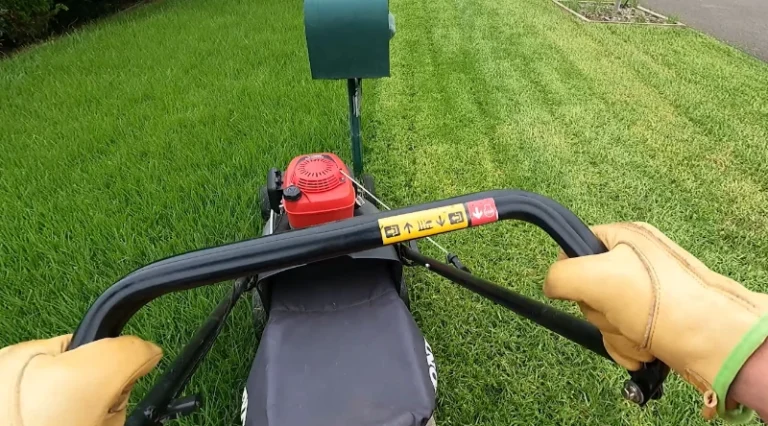
St. Augustine grass is mowed at a significantly higher height than Bermudagrass. In Killeen, maintain a mowing height of 3 to 4 inches through the growing season, with the higher end of that range in shaded areas and during peak summer heat.
Unlike Bermudagrass, which tolerates shorter cuts and benefits from the aggressive cutting that scalping provides, St. Augustine should never be cut below 2.5 inches. The broad blades need surface area to capture sunlight—particularly in the partial-shade situations where St. Augustine is most commonly planted in Killeen. Cutting too short reduces leaf surface and weakens the plant at exactly the wrong time. Scalping is a Bermudagrass-specific spring practice that should not be applied to St. Augustine.
Mowing Frequency
During the active growing season (late April through September), St. Augustine in Killeen typically needs mowing every 7 to 10 days—less frequently than Bermudagrass, which may need weekly cutting or more. Always follow the one-third rule: never remove more than one-third of the blade height in a single mowing. If the lawn has gotten tall, raise your deck height and take it down gradually over two or three mowings rather than dropping it to the target height all at once.
Sharp Blades
This matters more for St. Augustine than for Bermudagrass. St. Augustine’s wide blades are more prone to tearing rather than cutting cleanly when mower blades are dull, leaving ragged white tips that are both cosmetically poor and more vulnerable to disease entry. Sharp blades are a basic requirement for St. Augustine care.
Watering St. Augustine in Killeen TX
St. Augustine is thirstier than Bermudagrass, particularly during Killeen’s summer heat. It does not tolerate drought stress as well as Bermuda and shows visible wilt more quickly when water is insufficient.
Water deeply but infrequently. Aim for 1 to 1.5 inches of water per week during active growth, delivered in one or two deep sessions rather than frequent shallow watering. Deep watering encourages roots to grow down—which helps St. Augustine in Killeen’s Blackland Prairie clay soil, where deep root growth compensates for the surface clay’s moisture fluctuation.
Water in the morning. This rule applies to all Killeen lawn grasses, but it’s especially important for St. Augustine, which is prone to brown patch fungal disease. Wet foliage overnight creates ideal conditions for fungal growth. Aim to water between 6 and 10 AM so blades dry during the day. For a complete breakdown of irrigation timing and frequency, the Killeen TX lawn watering schedule covers both St. Augustine and Bermudagrass in depth.
Watch for wilt cues. Wilting St. Augustine blades fold in half lengthwise, giving them a thinner appearance. Footprints that remain visible in the lawn surface are another early sign of moisture stress. Address these signs promptly—St. Augustine in water deficit during Killeen’s summer heat declines quickly.
Fertilizing St. Augustine in Killeen TX
St. Augustine grass is a nitrogen-responsive grass, but it’s also more sensitive to certain herbicide and fertilizer combinations than Bermudagrass. A few specific rules apply to Killeen homeowners with St. Augustine:
Avoid atrazine in mixed lawns. Atrazine is widely used for St. Augustine weed control and is effective, but it will damage Bermudagrass if the two grasses share an area. If your yard has both grass types, choose weed control products carefully and discuss the situation with your lawn service provider before any chemical application.
Timing: Begin fertilizing St. Augustine after it’s fully green and actively growing—typically mid-April to early May in Killeen. Apply a second treatment in late June. Avoid fertilizing St. Augustine after September 1 in Central Texas; late-season nitrogen encourages tender shoot growth that is vulnerable to cold damage if an early freeze arrives.
Iron supplements for color: St. Augustine sometimes shows yellowing (chlorosis) in alkaline soils—a common condition in Bell County. If your St. Augustine is pale green or yellow during the growing season despite adequate water and fertilization, a supplemental iron application (chelated iron or iron sulfate) often restores color quickly without the risk of overstimulating growth the way excess nitrogen does.
St. Augustine’s Main Threats in Killeen TX
Chinch Bugs
Chinch bugs are the most damaging insect pest for St. Augustine grass in Central Texas, and they’re worth knowing by name. These tiny insects—about ⅛ inch as adults—feed on grass sap at the base of the blade, injecting a toxin that causes yellowing and browning that spreads outward from a central point.
Chinch bug damage is most severe in hot, sunny areas during July and August. The patches look similar to drought stress at first, but the key distinction is that chinch-bug-damaged areas don’t respond to irrigation. Pulling back the St. Augustine at the edge of a damaged zone and looking at the soil surface reveals the bugs themselves—black adults with white wing patches, or smaller orange nymphs.
Treatment with bifenthrin or other labeled insecticides applied to the thatch layer and watered in controls active infestations. As with grub treatment, early identification matters: the most effective window is before populations peak, typically late June or early July. Keeping St. Augustine well-watered and avoiding overfertilization during summer reduces vulnerability.
Brown Patch Fungus
St. Augustine is more susceptible to brown patch (Rhizoctonia solani) than Bermudagrass. The circular patches with a faint smoke ring at the outer edge that appear in humid conditions are the same disease described in the lawn fungus and disease guide—but St. Augustine often shows more dramatic and rapid collapse from brown patch than Bermudagrass does, particularly in fall when nighttime temperatures drop into the 70s while humidity remains high.
Morning watering, correct mowing height, and avoiding excessive summer nitrogen are the three most effective preventive measures.
Shade Decline
Despite its reputation as a shade-tolerant grass, St. Augustine still requires several hours of direct sunlight to stay dense and healthy. It performs best in partial shade (4–6 hours of sun daily) but thins out and becomes prone to disease and weed invasion in deeper shade—under heavy tree canopies, against north-facing walls, or in narrow alleys between structures.
If a shaded section of St. Augustine is consistently thin or dying despite correct watering and fertilization, the issue may be light rather than care. Shade-adapted ground covers or mulch are sometimes the more practical solution in spots where no grass can truly thrive. Selective tree trimming to open the canopy is another option worth considering before giving up on the lawn area.
What St. Augustine Needs That Bermudagrass Doesn’t
Killeen homeowners with both grass types in their yard—a common situation when Bermudagrass covers the sunny sections and St. Augustine fills in the shaded areas—need to remember that the two grasses are not interchangeable in their care requirements. The differences that matter most in practice:
- Mowing height: St. Augustine at 3–4 inches; Bermudagrass at 2–3 inches. The same mower deck height won’t serve both.
- Herbicide sensitivity: Many herbicides safe for Bermudagrass will injure St. Augustine, particularly products containing atrazine, dicamba, or 2,4-D at certain rates. Pre-emergent and post-emergent treatments need to be grass-type appropriate.
- Spread rate: St. Augustine spreads by stolons but does so more slowly than Bermudagrass. Thin or damaged areas take longer to fill in. Plugs or additional sod may be needed to repair significant St. Augustine damage that Bermudagrass would cover on its own.
- Cold tolerance: St. Augustine is less cold-hardy than Bermudagrass. Hard freezes (below 25°F for extended periods) can damage or kill St. Augustine crowns in ways that Bermudagrass, with its deeper rhizome structure, is more likely to survive.
For a direct comparison of both grasses and how to choose between them, see the St. Augustine vs Bermudagrass guide. For managing Bermudagrass specifically, the complete Bermudagrass care guide covers that grass’s separate maintenance requirements.
Getting Professional Help with St. Augustine Lawns
St. Augustine lawns in Killeen benefit from professional mowing for a straightforward reason: the margin between the correct height (3–4 inches) and a damaging scalp is narrow when using a home mower with less precise deck adjustment. Professional mowing with calibrated equipment and sharp blades at the right height reduces disease susceptibility and keeps St. Augustine in the dense, healthy condition it needs to crowd out weeds and recover from pest damage.
If your Killeen yard includes sections of both St. Augustine and Bermudagrass, a recurring lawn service familiar with Central Texas grass types handles both grasses correctly in the same visit—mowing each section at the appropriate height and applying only products safe for that grass type.
Frequently Asked Questions
Does St. Augustine grass go dormant in Killeen TX winters?
Yes. St. Augustine turns brown and goes dormant in Killeen winters, typically when sustained temperatures drop below 55°F. It’s less cold-hardy than Bermudagrass, and hard freezes below 25°F can damage or kill the crowns in more exposed sections. Most St. Augustine in Killeen recovers from normal winters; severe freezes may leave dead sections that need re-sodding in spring.
Can I overseed St. Augustine with ryegrass in winter?
Overseeding St. Augustine with winter ryegrass is possible but more difficult than overseeding Bermudagrass. St. Augustine’s dense surface growth is harder to penetrate than Bermudagrass thatch, and dormant St. Augustine doesn’t create as clean a seedbed. Vertical slicing before overseeding helps. Many Killeen homeowners with St. Augustine choose to leave the lawn dormant through winter rather than attempting a ryegrass overseed.
What is the best weed killer for St. Augustine grass in Killeen TX?
Pre-emergent herbicides containing pendimethalin are generally safe for St. Augustine and effective for preventing crabgrass and other summer annual weeds when applied in February before soil temperatures rise. For post-emergent broadleaf weed control, products labeled specifically for St. Augustine are essential—many standard broadleaf herbicides injure St. Augustine. Consult a licensed applicator if in doubt, or contact a professional weed control service experienced with Central Texas lawn types.
My St. Augustine has yellow patches. What is causing it?
Yellow patches in St. Augustine can have several causes: iron chlorosis (common in Bell County alkaline soils), chinch bug feeding, drought stress, or overwatering. Check whether the patches are in the sunniest parts of the yard (chinch bug likely) or whether the entire lawn looks pale (possible iron deficiency). If patches appeared after heavy rain or nighttime humidity, consider brown patch fungal disease.
Can St. Augustine be planted in full sun in Killeen TX?
Yes, St. Augustine can grow in full sun in Killeen, though it requires more frequent watering than it would in partial shade, particularly during summer heat. Bermudagrass is generally the better-performing, lower-maintenance choice for full-sun areas in Bell County. St. Augustine’s strongest advantage over Bermudagrass is its shade tolerance—in full sun, that advantage disappears while its higher water needs remain.